Insurance and Safety for Flat Clearance Kensington
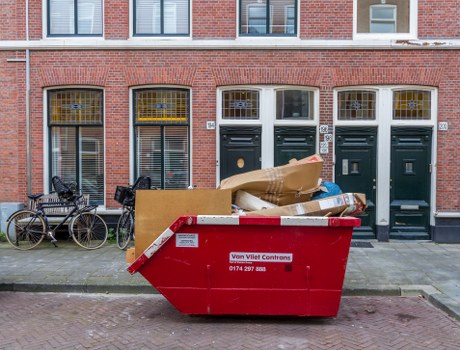 When you choose a professional insured rubbish company for flat clearance in Kensington you should expect clear evidence of comprehensive cover and a proactive safety culture. Our page explains how working with an insured rubbish removal company reduces risk to residents, neighbours and property owners, and why public liability insurance is central to responsible clearance operations. We explain the types of insurance typically held, how policies protect against accidental damage or injury, and why verification of cover is something consumers should request before any clearance begins.
As a leading insured waste removal provider in the Kensington area, we emphasise the importance of up-to-date insurance documentation. Public liability insurance forms the backbone of protections offered by any reputable insured clearance company: it covers claims if a member of the public or a client is injured, or if property is accidentally damaged during the removal of furniture, rubbish or other household waste. Understanding the limits and exclusions of a policy helps clients make an informed choice and ensures the removal team is authorised and financially backed.
 Our recommended insured rubbish removal services typically carry at least £5 million in public liability insurance, and many hold higher limits depending on the scale of projects they undertake. An insured junk removal service will be able to produce a certificate of insurance on request, showing their policy number, insurer name and valid dates. This transparency is part of professional practice: it reassures landlords, managing agents and residents that the flat clearance company has been vetted and can cover potential third-party losses without risk to the customer.
Staff Training and Competence Standards
Competent, well-trained staff are essential for both safety and efficiency. Every insured clearance company must invest in ongoing staff training so crews understand safe lifting techniques, correct handling of sharp or hazardous items, and the legal requirements for transporting controlled waste. Training records should be current and accessible: look for accredited courses in waste handling, manual handling certificates and induction programmes that cover vehicle safety and site-specific procedures.
 Our teams are briefed each day with tool-box talks and risk briefings before arriving on site, and these briefings are documented. For an insured waste clearance operator, continuous professional development reduces incidents and supports insurance claims if an accident occurs. Teams trained by experienced supervisors will also be better at identifying hidden hazards, from fragile plasterwork to contaminated materials, and will escalate issues appropriately rather than guessing, which keeps claims and disputes to a minimum.
Personal protective equipment (PPE) is a visible sign of a company’s safety standards. The typical PPE list used by an insured waste removal company includes:
- High-visibility jackets and appropriate clothing for urban sites;
- Steel-toe boots and robust gloves for manual handling;
- Protective eyewear and face masks when working around dust or chemical residues;
- Hard hats and harnesses where vertical access or stairway manoeuvres require them.
Risk Assessment and Method Statement Process
Every professional insured clearance company should carry out a formal risk assessment and prepare a method statement prior to work commencing. This risk assessment process identifies site hazards, assesses the likelihood and severity of potential incidents, and sets out control measures that will be used to mitigate risks. The method statement explains how the team will safely move bulky items, segregate recyclable materials and protect flooring, fixtures and common areas during the clearance.
 Risk assessments are not generic checklists; they are site-specific documents that consider the unique layout of a Kensington flat, access constraints like narrow staircases or lifts, and any sensitive neighbouring properties. When a removal company documents a clear plan and obtains client sign-off, both parties have a formal record of agreed safeguards and responsibilities. This documentation is crucial for an insured clearance company if any claim or query arises after the job.
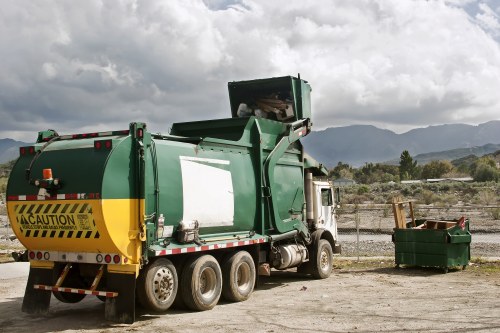 In addition to assessment and training, robust incident reporting and emergency procedures form part of a comprehensive safety system. An insured rubbish company will have processes to record near-misses and accidents, notify insurers promptly, and undertake root-cause reviews to prevent recurrence. They will also maintain secure waste transfer documentation and adhere to environmental regulations when disposing of hazardous items, ensuring legal compliance and reducing liability risk.
Why public liability insurance matters: it ensures clients and third parties are compensated without delay in the event of accidental injury or damage, and it demonstrates that the company accepts responsibility and operates within professional standards. Choosing an insured clearance operator in Kensington means choosing peace of mind and a transparent relationship based on documented risk management and financial protection.
Final assurances: working with an insured junk removal service means crews arrive with the right training, PPE and a documented approach to risk assessment. Strong safety governance reduces the likelihood of incidents and ensures that, if anything does go wrong, there is an established path for remediation through the insurer rather than disputes between neighbours or clients.
Summary: when evaluating an insured clearance company for flat clearance in Kensington, verify public liability insurance details, confirm staff training standards, review PPE policies, and ensure a thorough risk assessment process is in place. This combination of cover and competence protects people, property and public spaces while delivering a professional, reliable clearance service.